


STA Swim Shop Building safer, healthier & better skilled communities

Quick Links
call-back

You are here: Pages > Water Safety

Water Safety

People, especially children are attracted to activities in and around water; a large percentage of deaths by drowning occur in what appears to be a harmless location. The following information highlights some of the reasons a water safety programme is essential:

  1. Not everyone is swimming or playing in the water before they drown.
  2. Over 50% of those who drown were able to swim; it is easy to over estimate your ability and stamina.
  3. Sudden emersion in cold water can kill good swimmers as well as non-swimmers.
  4. Diving into shallow water and striking the bottom may result in serious spinal cord injuries, possibly with complete paralysis below the site of the injury.

It is most important that children and adults understand the dangers and the measures to be taken to avoid accidents. The following information from RoSPA will help in the development of your own water safety programme:

  1. Understanding the ‘drowning chain.’
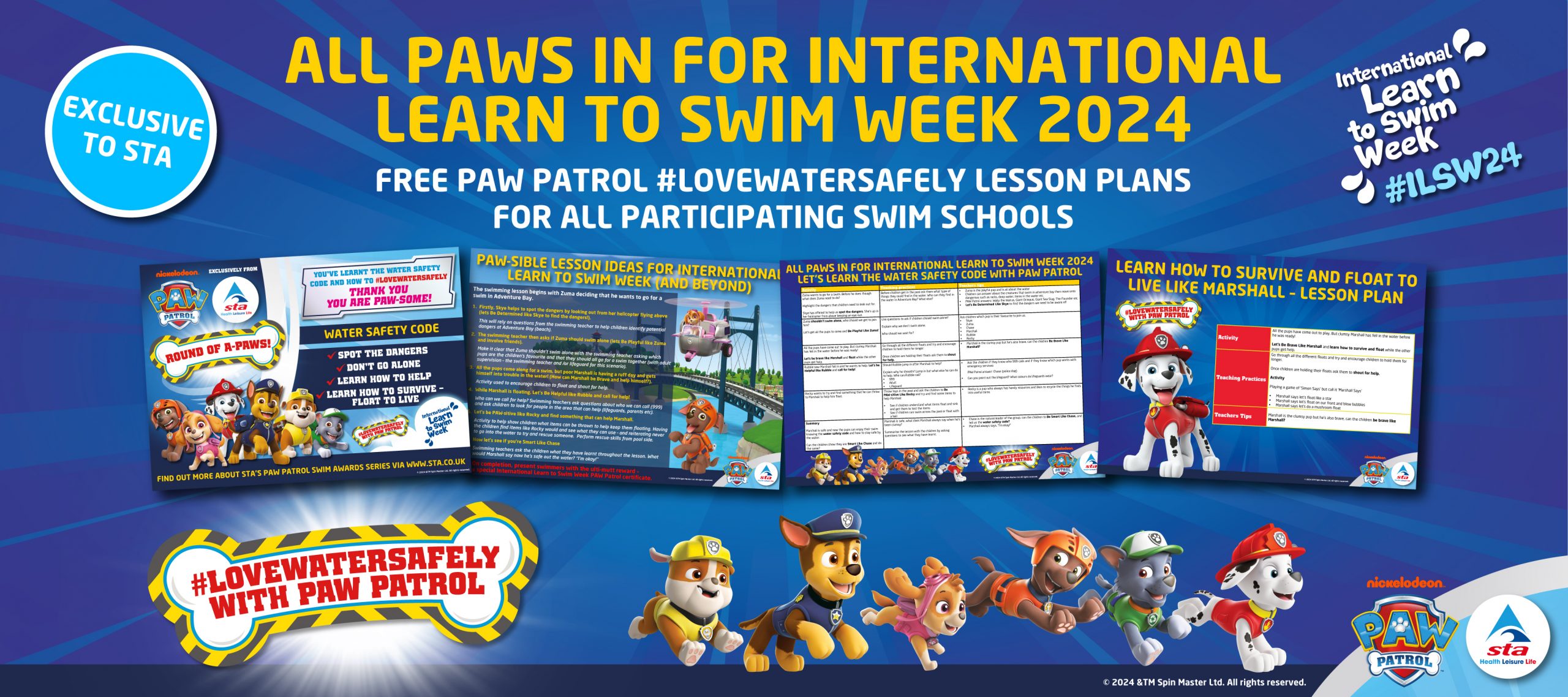
  2. The water safety ‘code of advice.’

The Drowning Chain

The most positive way of counteracting drowning is to prevent entry into the water in the first place. The possible combination of events, which lead to drowning is, the factors, which form the links in the drowning chain. It is essential to counter these factors and break the link in the chain as soon as possible, preferable before the stage of rescue is required.

The links are:

  1. Ignorance, disregard or misjudgment of danger.
  2. Unrestricted access to hazards.
  3. Absence of adequate supervision.
  4. An inability to save yourself or be rescued.

Through education it is possible to break the first link; the ability to recognise and know your own limitations are a most important part of the water safety programme. Access to hazards should be restricted by fencing and warning signs; education in understanding signs, flags and notices is another important part of the water safety programme. Qualified lifeguards reduce the risk of drowning; swimming without adequate supervision is an unnecessary risk, which is easily avoidable. In the event of being in a life-threatening situation the ability to save yourself or to be able to assist a rescuer are skills, which can be learnt as part of the water safety programme.

The main emphasis of the water safety programme should not be on rescue as this may put another person’s life at risk. Rescue skills are important, but are a poor option in a preventive plan; water safety education is the main weapon in preventing drowning.

Based upon the understanding of the drowning problem and the necessary counters to the link of the ‘Drowning Chain’ RoSPA has introduced the following water safety code. This code has been adopted, as the essence of a new water safety education project emphasising prevention is much better than cure. For more information contact:

The Royal Society for the Prevention of Accidents
RoSPA House
Edgebaston Park
353 Bristol Road
Birmingham
B5 7ST
Tel: 0121 248 2120
Fax: 0121 248 2001
http://www.rospa.com


Code of Advice

  1. Spot the dangers
    Water may look safe, but it can be dangerous; learn to spot and keep away from dangers. You may swim well in a warm indoor pool, but that does not mean that you’d be able to swim in cold outside water.
  2. Take safety advice
    Special flags and notices may warn you of danger. Know what the signs mean and do what they tell you.
  3. Don’t go alone
    Children should always go with an adult, not by themselves. An adult may be able to point out dangers of help if someone gets into trouble.
  4. Learn how to help
    You may be able to help yourself and others if you know what to do in an emergency.


People at Risk

It is possible for anyone to drown, but some people are higher risk than others:

  1. Males are higher risk than females, statistically 75% of drownings are male.
  2. Young children are at higher risk at home and in the garden.
  3. The elderly are at higher risk in the bath.
  4. Teenagers and young adults under the influence of alcohol are at a higher risk when socialising near water.

Where People Drown

It is possible to drown in a puddle! Anywhere where there is enough water to cover your mouth and nose, which would prevent you breathing if you were unable to remove your face from the water:

  1. At home – baths, toilets and washing machines.
  2. In the garden – ponds, paddling pools and water butts.
  3. At the local park or swimming pool.
  4. Around the locality – sewage works, building, mining and industrial sites.
  5. Inland waters – rivers, streams, canals, lakes, reservoirs and gravel pits.
  6. Along the coast – in the sea, rock pools, quick sand and mud flats.

Safety Advice

Open Water Swimming

  1. DO NOT go alone.
  2. Wait for at least an hour after a meal.
  3. Never swim after drinking alcohol.
  4. If you feel cold, tired or unwell leave the water.
  5. DO NOT swim if there is a red flag flying.
  6. Swim in an area patrolled by Lifeguards, parallel to the shore.
  7. DO NOT drive into unknown water.
  8. DO NOT wear goggles if performing deep dives and swimming under water.
  9. DO NOT swim near rocks, piers or breakwaters.
  10. DO NOT swim in areas designated for surfing, jet skiing or boating.

Boating Safety

  1. Make sure all the equipment is well maintained.
  2. Take a course of qualified instruction before going out in a boat.
  3. Inform someone where you are going and your estimated time of return.
  4. Always wear an approved personal floatation device (PFD), such as a buoyancy aid or life jacket.
  5. Wear layers of warm clothing with waterproof outer garments and non-slip footwear.
  6. Learn emergency capsize and 'man overboard drills'.
  7. Check the weather before going afloat; conditions at sea can change suddenly.
  8. If you capsize stay with the boat, you will be spotted more easily.
  9. Keep fingers away from the edge when manoeuvring close to other boats or jetties, boats do not have breaks.
  10. If at sea carry a means of raising an alarm, such as red flares, orange smoke, whistle blasts or radio maydays.

At the beach

  1. Obey warning signs, notices and safety flags.
  2. Make a note of lifeguards on duty, First Aid Posts and Emergency telephones.
  3. Look for information for high and low tides, if the beach is wet near the water's edge the tide is going out, if the beach is dry near the water's edge the tide is coming in.
  4. Be aware of being cut off by incoming tides.
  5. Do not play on rocks, groynes or breakwaters.
  6. Do not climb on cliffs and keep away from cliff edges.
  7. Do not explore caves when there is a risk of being cut off by incoming tides.
  8. Be aware of other people on the beach they can be an indicator of safe areas and tidal movement.
  9. Do not use inflatable airbeds or large inflatable toys on the sea; they can easily be blown away.
  10. Be aware of rip currents that can pull you out to sea, if caught in a rip keep calm, either swim diagonally across the current or wait until the power has reduced to allow you to swim parallel to the beach and surf with the waves.
Download Presentation
IFSTA
STA Travel
Swim and Save
Change 4 Life
Swimming TeachingLifeguardingFirst AidAwardsTool Kit