Six Months On: Has One Qualification Changed the Conversation?

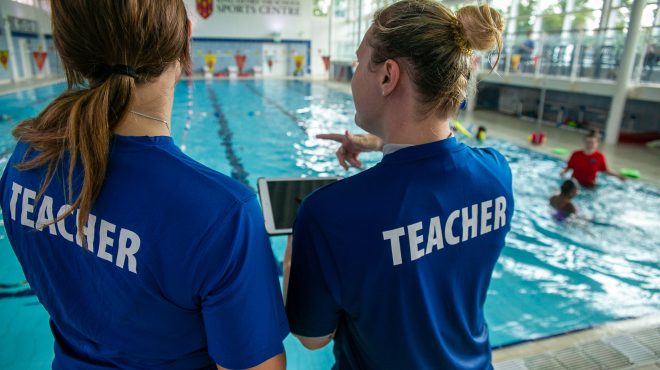
Six months on from the introduction of the new regulated Level 2 Swimming Teacher qualification aligned to CIMSPA’s latest professional standards, the conversation across the aquatics sector is already beginning to shift.
What was never simply about replacing one qualification with another has become part of a much wider discussion around clarity, confidence and the future direction of swimming teacher training.
For many years, the swimming teaching landscape contained multiple qualification titles, varying terminology and differing perceptions around equivalence. While those routes all aimed to support the workforce, the reality was that employers, operators and learners could often find the system unnecessarily confusing.
The industry wide move by STA, and Swim England, towards a single, regulated Level 2 swimming teacher qualification aligned to one professional standard has helped bring greater clarity to the profession.
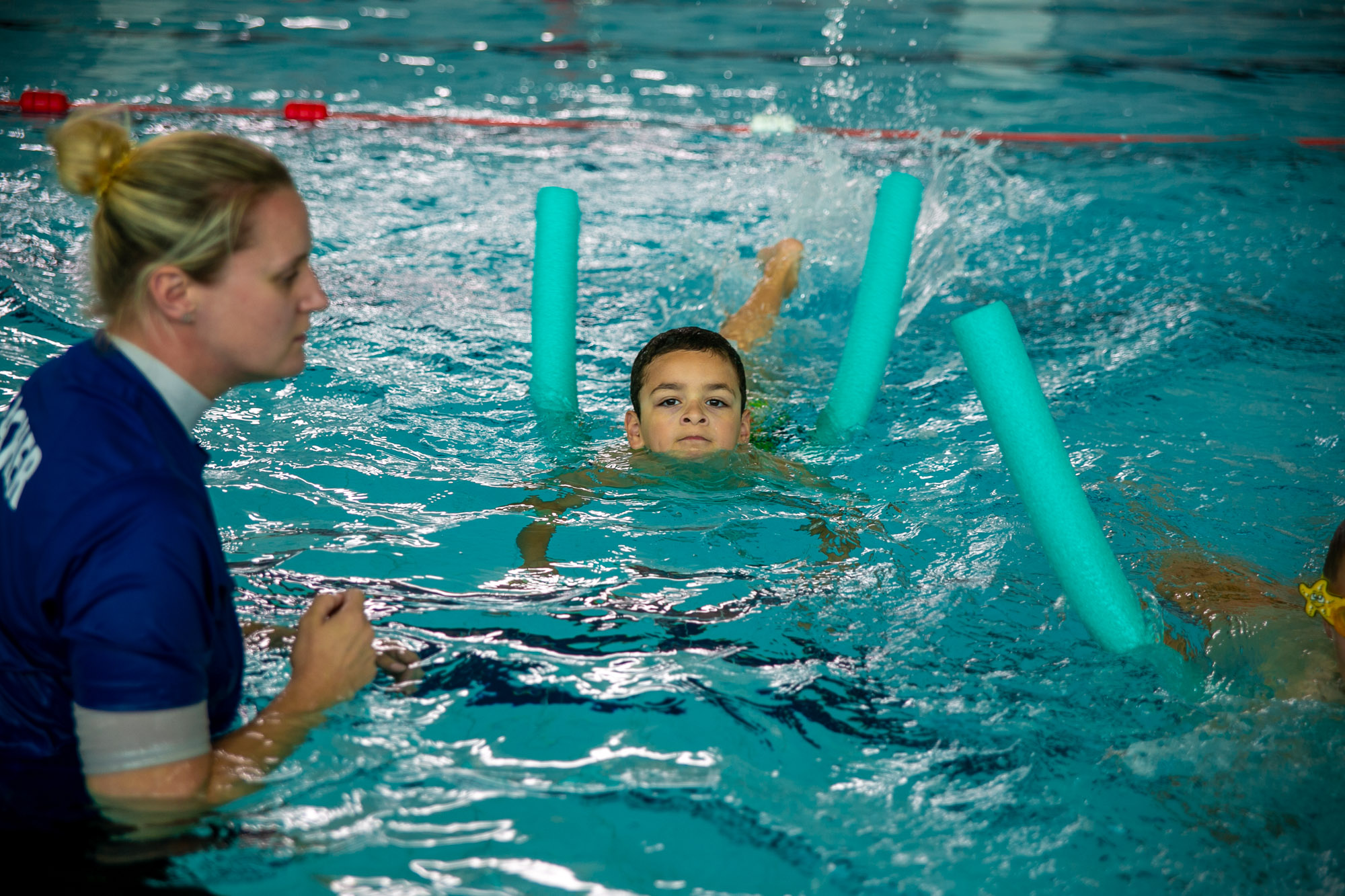
For those entering swimming teaching, there is now a clearer understanding of what a professional qualification represents and the standards expected on poolside. For employers and operators, it creates greater confidence and consistency when recruiting and supporting staff.
Importantly, this clarity also helps strengthen the professional identity of swimming teaching itself.
Swimming teachers carry significant responsibility. They support water safety, build confidence, deliver inclusive learning and help develop a skill that can ultimately save lives. Having a clearer and more consistent qualification pathway helps reinforce the professionalism and importance of that role across the wider sector.
At the same time, the conversation around training has also evolved.
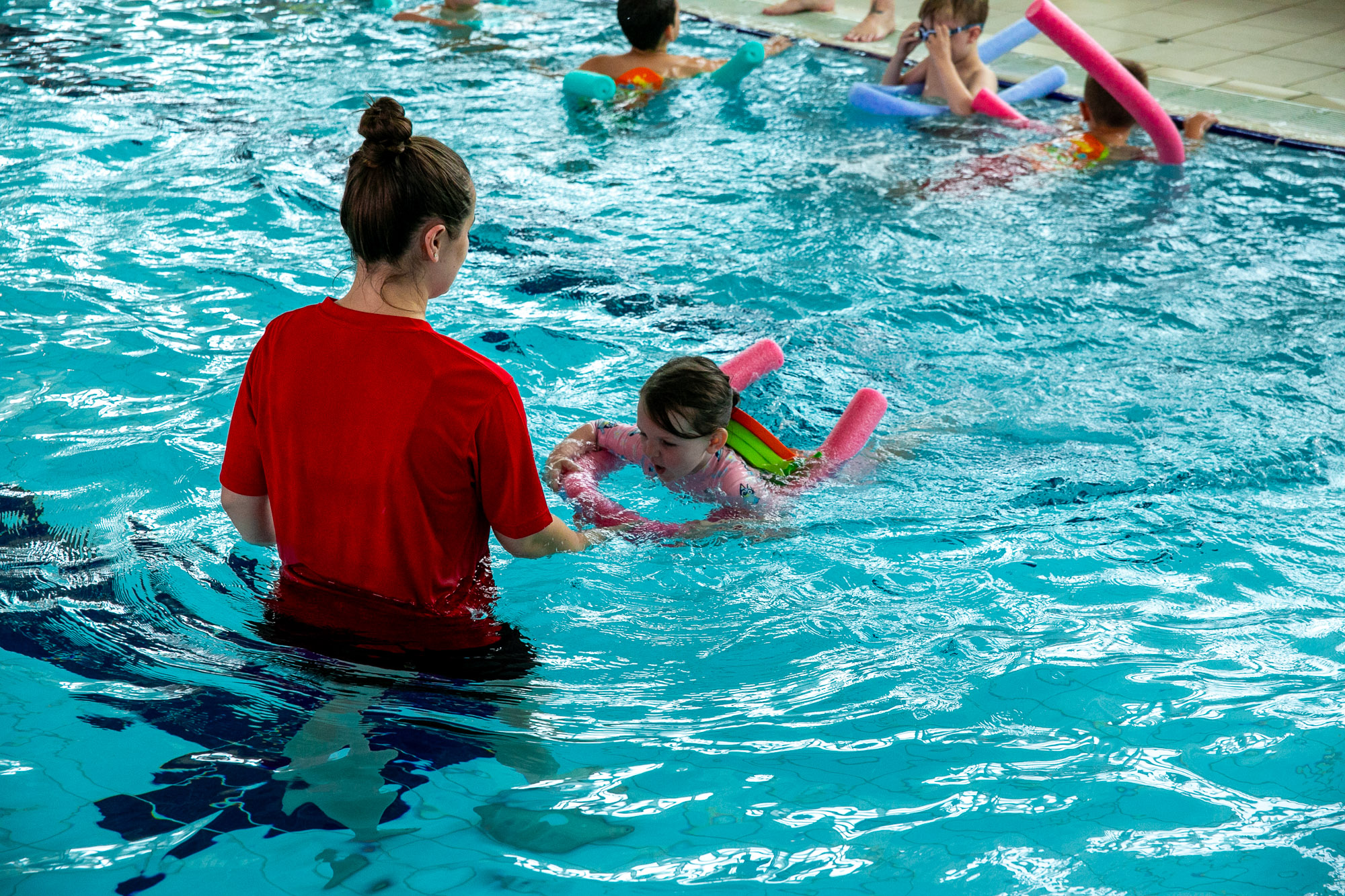
Increasingly, employers and tutors are not simply asking whether someone has qualified, but whether they feel genuinely prepared for the realities of poolside delivery. Confidence, communication, practical teaching ability and professional judgement are becoming just as important as theoretical understanding.
This is why the emphasis within STA’s new qualification on practical, work-ready teaching experience has been so important. Learners are being supported not only to meet the professional standard, but to feel capable and confident stepping onto poolside from day one.
Equally important, however, is recognising that professional development should not stop once qualification is achieved.
Supporting swimming teachers beyond certification has become an increasingly important part of strengthening confidence, retention and long-term workforce development across the sector. Newly qualified teachers often need continued guidance as they move from training environments into live poolside delivery, particularly during the early stages of their careers.
This is why every learner completing STA’s qualification also receives a bundle of CPDs alongside 12 months of STA membership. The intention is not simply to help teachers qualify, but to help them continue developing once they enter the workforce – supporting ongoing learning, professional confidence and connection to the wider aquatics community.
Because being ready for poolside is only the beginning. Remaining supported, connected and confident as a teacher develops over time is equally important.
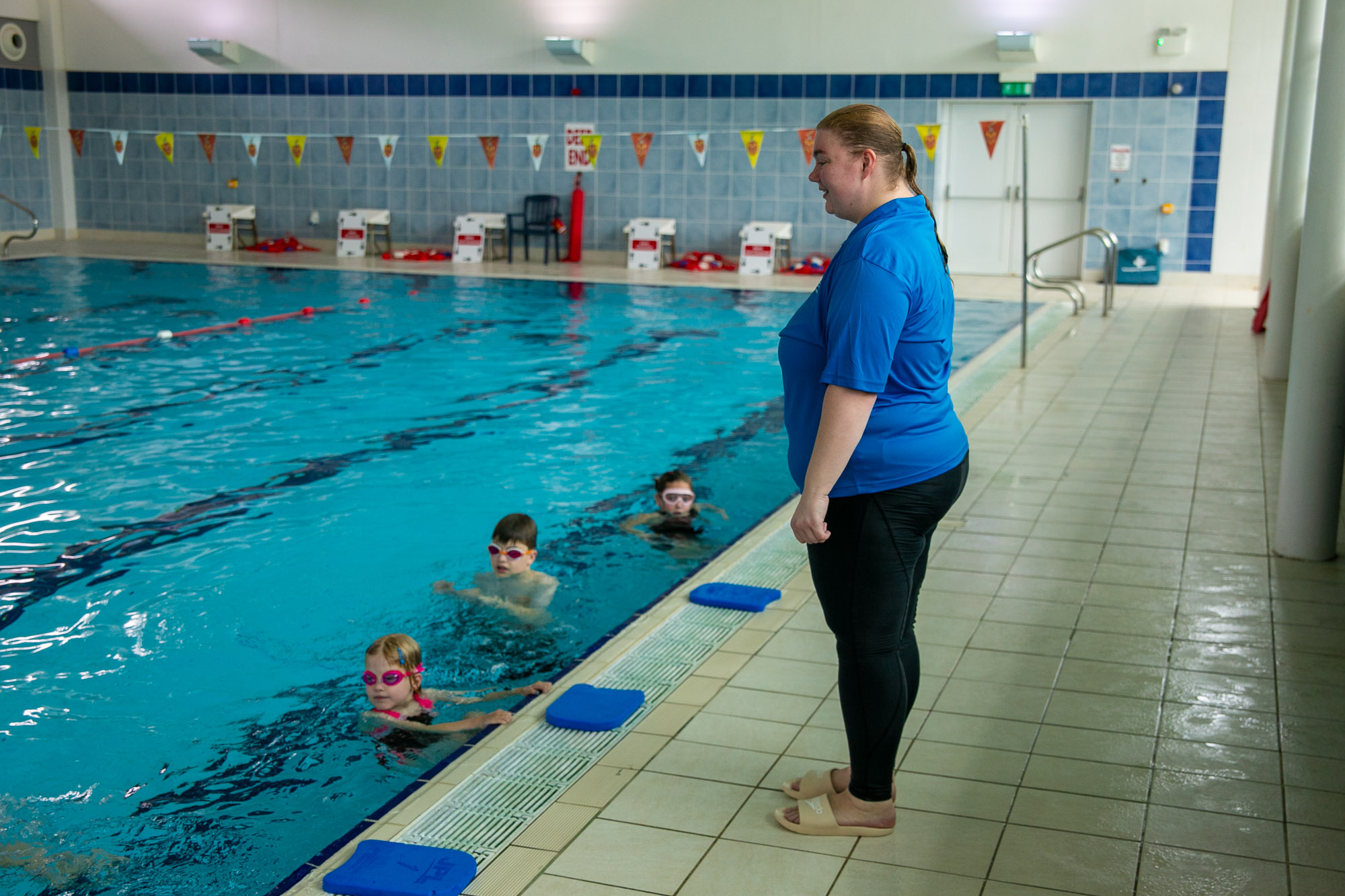
This wider focus on workforce development also sits behind initiatives such as The Ripple Effect, STA’s charitable programme designed to help remove financial barriers into swimming teacher training. Alongside strengthening clarity and consistency within qualification pathways, improving accessibility into the profession remains equally important if the sector is to build a sustainable workforce for the future.
Feedback from tutors and Approved Training Centres over the past six months has consistently highlighted the value of stronger practical delivery, clearer assessment structures and more streamlined learning experiences. At the same time, learners themselves are increasingly recognising the importance of ongoing support beyond certification.
There is still more work to do. Workforce pressures across aquatics remain significant, and improving access into the profession continues to be an important focus for the sector as a whole.
However, six months on, one thing does feel increasingly clear – simplifying the pathway into swimming teaching has helped create a more confident and connected conversation around workforce development.
And ultimately, that benefits everyone – teachers, employers, operators and the learners who rely on them every day.
- Categories
- Association News