

STQ, One Year On
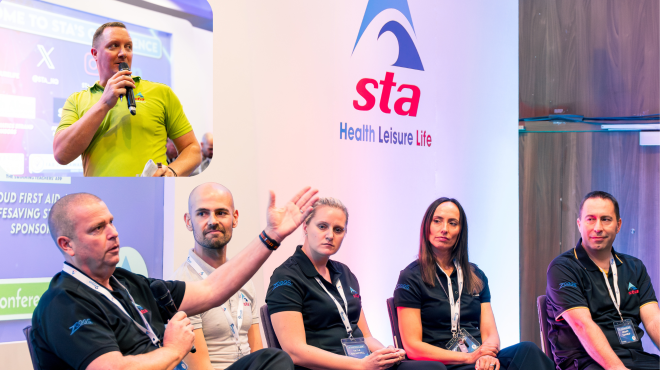
This time last year, at STA Conference, STA unveiled one of the biggest changes to swimming teacher education it had made in many years: the new regulated Level 2 Swimming Teacher Qualification (STQ) and the move to one clear qualification for new swimming teachers.
Twelve months later, and with STA Conference 2026 just weeks away, Conference host and STA Water Safety Ambassador Mike Goody caught up with CEO Dave Candler to look back at that decision, reflect on what has happened since the first courses began in January and ask: was it the right decision?
Kaylë and the team had put a huge amount of work into developing the qualification, and I was incredibly proud to see it finally being unveiled. But as CEO, I was also very conscious that ultimately I was accountable for the decision we had made and, once the presentation finished, I knew there would inevitably be questions for us to answer.
STA had used the Award and Certificate model for many years, so we weren’t simply launching another qualification; we were changing an established route into swimming teaching. We knew people would want to understand why we were doing it, what it would mean for tutors and ATCs and, most importantly, how it would benefit future swimming teachers.
There were definitely nerves, but there was excitement too, because we genuinely believed in what we were introducing.
I think once STQ was out there, my overriding feeling was probably: now we need to prove that we’ve made the right decision.
The Award had served our industry extremely well for many years. It was particularly popular with employers because it provided a route to teaching the early stages of the learn-to-swim pathway, where a significant proportion of swimming lessons are delivered.
But while those of us working in aquatics understood the Award and Certificate model, for somebody entering the industry for the first time, it wasn’t necessarily as straightforward.
Because the Award preceded the Certificate, people would understandably ask whether it was a Level 1 qualification. We’d explain that no, it was Level 2, which then raised questions about why there were two qualifications at the same level and what each enabled you to teach.
Against other regulated Level 2 qualifications in the sector, we recognised that could be confusing.
STQ has removed that ambiguity. There is now one clear Level 2 qualification that enables newly qualified teachers to teach across the full learn-to-swim pathway.
We also had the latest CIMSPA Professional Standard to align with, so it was an opportunity to look at the whole journey afresh and create a qualification that better reflected the needs of today’s learners and employers.
We wanted to increase practical teaching experience, not reduce it, but we were also very conscious that making courses significantly longer would inevitably have cost implications for learners and employers.
Technology played an important part in finding that balance. The option of blended learning allowed us to rethink how different elements of the qualification were delivered, with appropriate theory completed through guided independent learning while protecting and increasing the practical, face-to-face experience.
That enabled us to create a full qualification without significantly extending the overall course timescale, which was a major consideration throughout development.
We also wanted to look beyond the qualification itself. I often compare becoming a swimming teacher to learning to drive. When you pass your driving test, you’ve demonstrated that you have the skills and competence to drive independently. But that doesn’t mean you’ve finished learning. Your experience continues to grow with every journey you make.
It’s the same with swimming teaching. STQ prepares teachers to step onto poolside with the knowledge, practical skills and confidence to teach independently from day one. But as they gain experience, encounter different learners and develop their own teaching styles, there will always be opportunities to build on those foundations.
That’s why we included 12 months of STA membership and access to a library of CPDs, ensuring newly qualified teachers have ongoing support and opportunities for professional development as they progress in their careers.
It took a lot of work to bring all these elements together, but I believe we’ve created a qualification that not only prepares people for the realities of teaching but also supports their continued development beyond qualification.
There were a lot of different elements that had to come together behind the scenes, and some of the technology we were introducing was new for us too. AI-assisted marking was probably the most obvious example.
We could test and prepare as much as possible beforehand, but there’s always a difference between testing something and seeing it being used on live courses by real tutors and learners.
We needed the technology and our internal processes to do what we’d designed them to do, but we also needed to know that if something didn’t work quite as expected, we could respond quickly, learn from it and make improvements.
We’d made a significant promise about creating a better experience for tutors and learners, and we had to make sure the systems behind STQ could deliver on that promise.
AI was new for us, and understandably it was one of the elements we approached very carefully during development. We knew the technology had to genuinely make life easier for tutors rather than simply introduce technology for technology’s sake.
But the response has been fantastic. We’ve had tutors describe the AI-assisted marking as a “game changer”, particularly because of the time it saves and the administrative burden it helps to reduce.
That’s been really encouraging because that was always the purpose. AI isn’t there to replace the tutor’s expertise or judgement; it’s there to support them and free up more of their administrative time to focus on developing and supporting learners.
I think it also shows why we shouldn’t be afraid to innovate within education, provided we do it responsibly and with a very clear purpose.
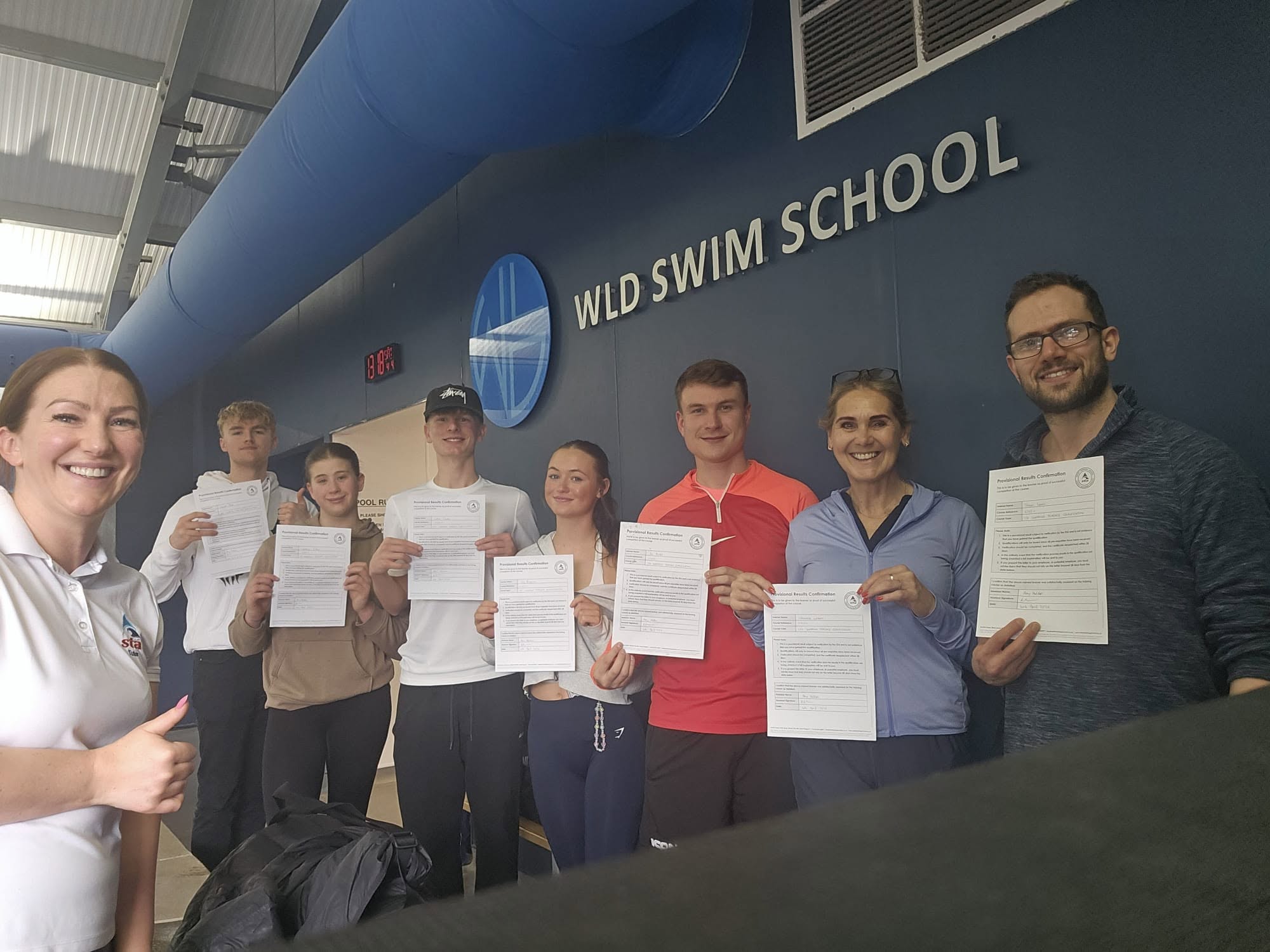
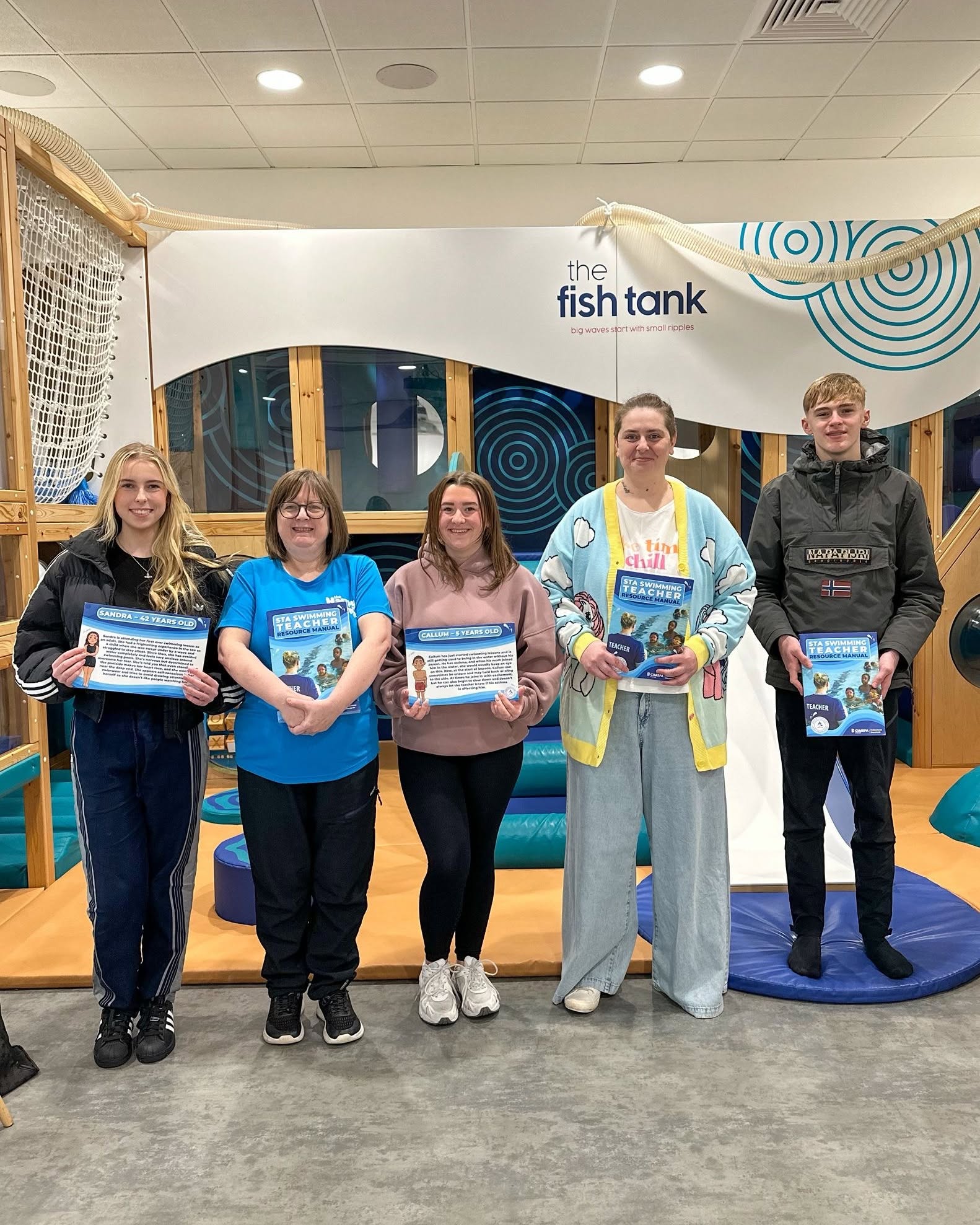
We’ve heard from learners who say they feel better prepared for work because of the amount of practical teaching they’ve had, and tutors have told us that the additional practical time is making a real difference to the quality and confidence of the teachers completing their courses.
For me, that’s incredibly important. You can design the best qualification specification in the world, but its real value is determined by whether it prepares somebody for the job they’re about to do.
It’s also why listening after launch is so important. You can spend months developing and testing a qualification, but it’s only when tutors start delivering it and learners start experiencing it that you really see how everything works in practice.
We’ve continued listening to our ATCs, tutors and learners throughout these first months of delivery, and we’ll continue to use that feedback to refine the qualification, its resources and the support around it.
It’s the positive response from tutors and ATCs, and the feedback from learners about how well prepared they feel to begin teaching. Importantly, it’s also the response we’re getting from employers, because ultimately they need to have confidence in the skills and abilities of the people they’re recruiting.
It’s also seeing the principles we built the qualification around working in practice: a clearer pathway, greater flexibility in how people can learn and a stronger emphasis on developing the practical skills they need on poolside.
Taken together, all of those things give me confidence that we made the right decision.
Every new teacher has to walk onto poolside and take responsibility for swimmers with different abilities, needs and levels of confidence. If we’re producing teachers who are capable of doing that, while giving tutors and ATCs an effective way to prepare them and employers confidence in their skills, then STQ is doing what we designed it to do.
When STQ was unveiled at Conference last year, we were talking about what we believed it could achieve. This year, we’re returning with the benefit of real-world delivery and feedback from the tutors, learners, ATCs and employers who have experienced it.
There is still plenty for us to learn and plenty more we want to achieve, but I’m incredibly proud of how far we’ve come.
For me, that’s perhaps the biggest difference between Conference last year and Conference this year. Twelve months ago, we had a vision and a lot of confidence in what we’d created.
Now we have the experience of seeing it working in the real world.
And I’m even more excited about where we go next.
- Categories
- Association News
Browse by Category
- #BreakingBarriers 11
- Association News 537
- Building a Swimming Pool – Real-Life Stories 4
- Community 191
- Community HEART STArters 13
- CommUNITY STArters 13
- Coronavirus Updates 39
- Digital 47
- Lifesaving and First Aid 50
- Member News 198
- Members’ News Hub 5
- Open Water Swimming 18
- Opportunities 51
- Pool Plant 45
- Swimming Teaching 245
- Water Safety, Health & Wellbeing 83
Join Our Mailing List
Stay up-to-date with the latest STA and leisure industry news by subscribing to our mailing list!
Subscribe