
Strengthening The Swimming Teacher Workforce

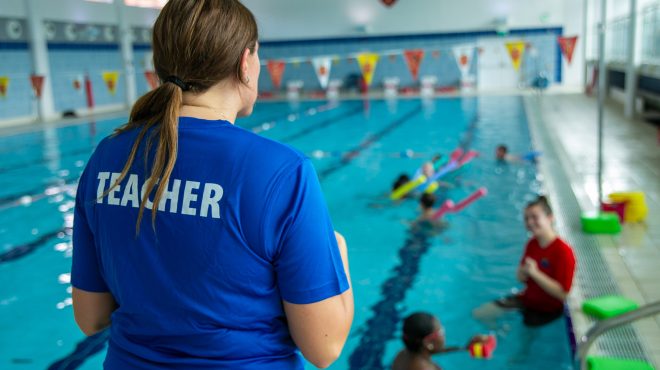
As International Learn to Swim Week (ILSW) approaches from 11–17 May 2026, there is a renewed focus on the importance of swimming and water safety education. However, behind this sits a wider challenge that the sector continues to face: ensuring there are enough qualified swimming teachers to meet demand.
Across the UK, we are seeing a consistent picture emerging. Demand for swimming lessons remains strong, but workforce capacity is under pressure. In some areas, providers are unable to meet demand, while in others there are immediate opportunities available for newly qualified teachers.
At the same time, there are individuals who want to enter the profession but are unable to do so. We know from our own research that affordability continues to be a barrier, preventing potential swimming teachers from accessing the training needed to get started.
This is not a new challenge, but it is one that requires a more coordinated and sustained response. Strengthening the workforce is essential if we are to ensure more people can access high quality swimming lessons and develop the skills that can ultimately save lives.
It is also important to recognise the wider context in which this sits. Youth unemployment has reached its highest level in over a decade, with a notable rise among 18-24-year-olds at the start of 2026. With many young people finding it harder to access traditional entry-level roles, there is growing concern about long-term employment opportunities.
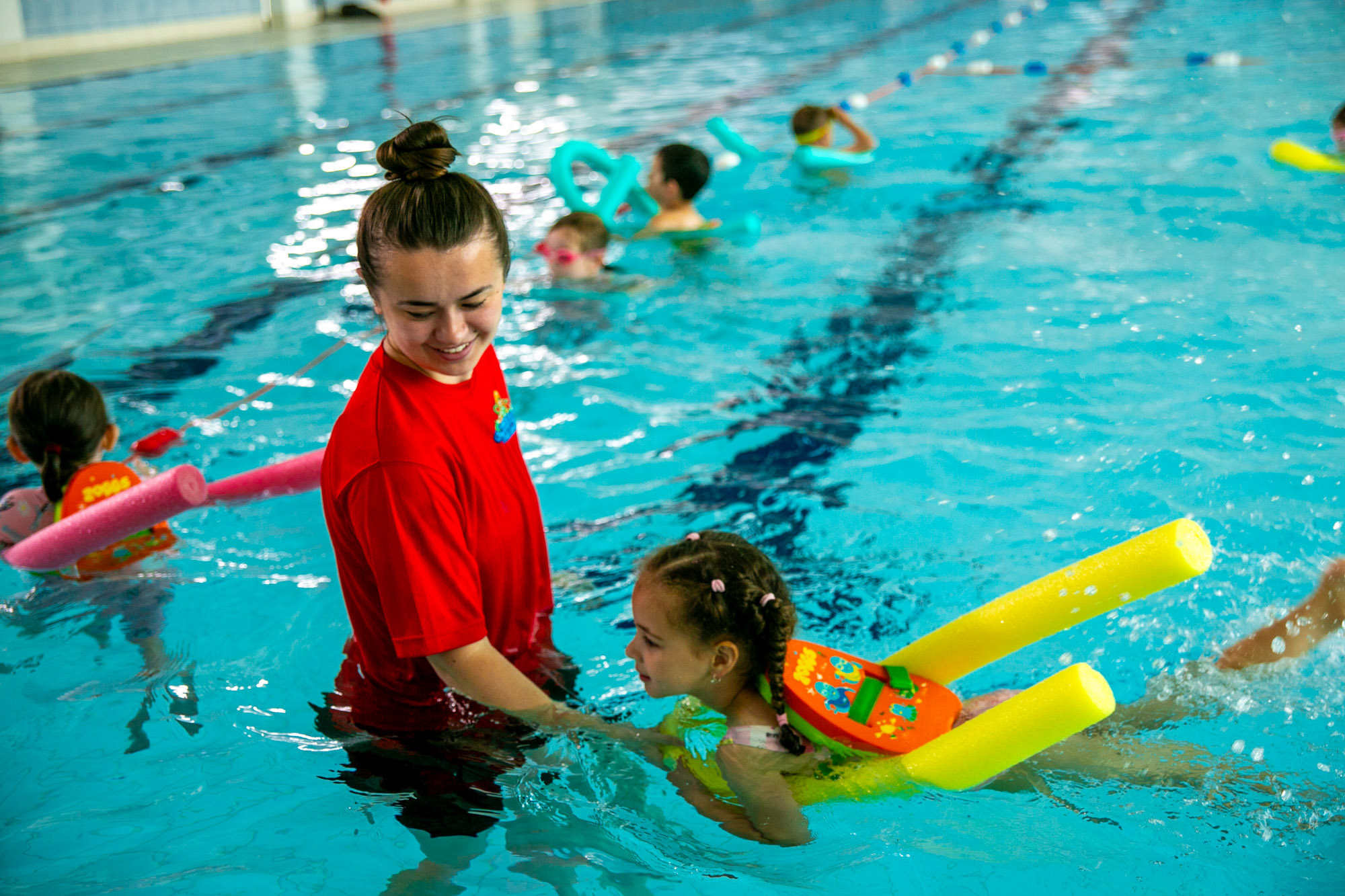
In this environment, aquatics offers a practical and accessible route into work. Swimming teaching provides a route into meaningful, well-paid employment, often above the National Minimum Wage, built around human interaction, responsibility and real-world impact, while also supporting safer, more confident communities.
This is where The Ripple Effect, a charitable initiative we recently launched to remove financial barriers and strengthen access to swimming teacher training, has an important role to play. By working in partnership with training centres, tutors, venues and employers, we are beginning to build more accessible pathways into the profession, supporting the development of a stronger, more sustainable workforce.
The initiative builds on the success of STAnd Up for Swimming, which supported the training of hundreds of new swimming teachers across the UK, many of whom have gone on to secure employment within the sector. By taking a longer-term, more structured approach, The Ripple Effect aims to extend that impact further and reach more communities where support is most needed.
Alongside this, the sector has also taken an important step forward in bringing greater clarity and consistency to training. The move towards a single, regulated Level 2 swimming teacher qualification aligned to CIMSPA’s latest professional standards is helping to simplify the route into the profession and strengthen confidence across the workforce.
For those entering swimming teaching, a clearer and more consistent starting point makes it easier to understand what is required and how to get there. For employers, it provides greater confidence in the knowledge, skills and capability of those coming through into the workforce. Clarity in training supports confidence on poolside, and that confidence is essential to delivering safe, effective and inclusive lessons.
Importantly, this is not just about qualification, but about preparation. A strong emphasis on practical, work-ready teaching skills, supported by ongoing development, helps ensure that newly qualified teachers are equipped not only to step onto poolside, but to succeed and remain within the profession over time.
The early response to both The Ripple Effect and the new qualification has been encouraging, with strong engagement from across the sector. Many organisations are already offering support through venues, tutor time and funded or subsidised training places, reflecting a shared commitment to strengthening the future workforce.
As we mark International Learn to Swim Week, it is important that we not only promote the value of swimming and water safety, but also continue to focus on the people who make it possible. Investing in the next generation of swimming teachers, while providing clear, consistent and accessible pathways into the profession, is essential to the future of aquatics.
- Categories
- Association News