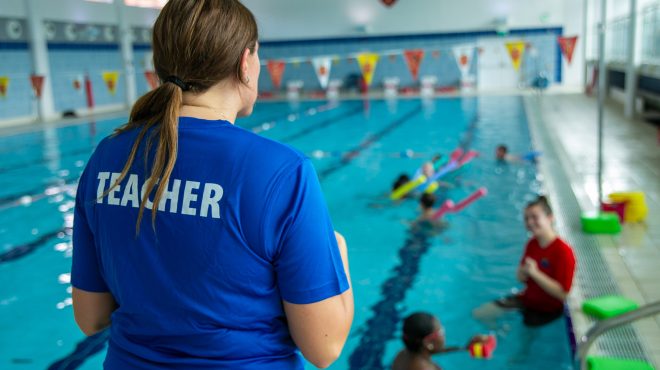

Swimming Teacher Shortage Highlighted as Sector Responds During International Learn to Swim Week
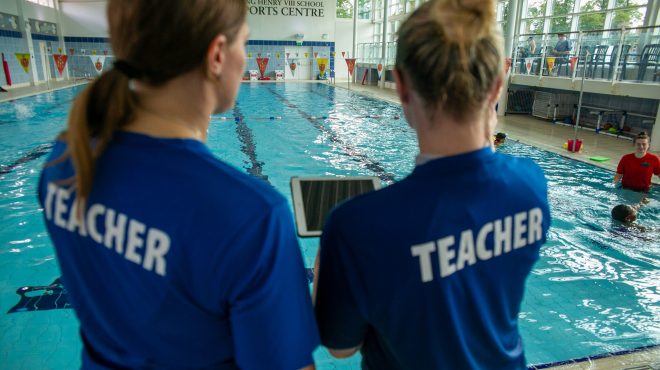
Today for International Learn to Swim Week (ILSW) the theme is centred around promoting the benefits of becoming a swimming teacher, and alongside this, STA is highlighting the importance of strengthening the UK’s swimming teacher workforce to support access to lessons and water safety education.
Early feedback gathered through the Association’s newly launched Ripple Effect initiative is already pointing to a consistent challenge across the sector, with training centres, tutors and swim schools reporting a shortage of qualified swimming teachers in their areas.
This shortage is having a direct impact on provision, with some operators indicating they are unable to meet demand for lessons, while others report immediate employment opportunities for newly qualified teachers.
At the same time, affordability is emerging as a key barrier for individuals looking to enter the profession. Several providers have identified strong interest from potential learners who are keen to train but unable to access qualifications due to cost.
This is where The Ripple Effect, the charitable initiative launched by STA to remove financial barriers into swimming teaching, has an important role to play. By working in partnership with training centres, tutors, venues and employers, the initiative is helping to build more accessible pathways into the profession, supporting the development of a stronger, more sustainable workforce.
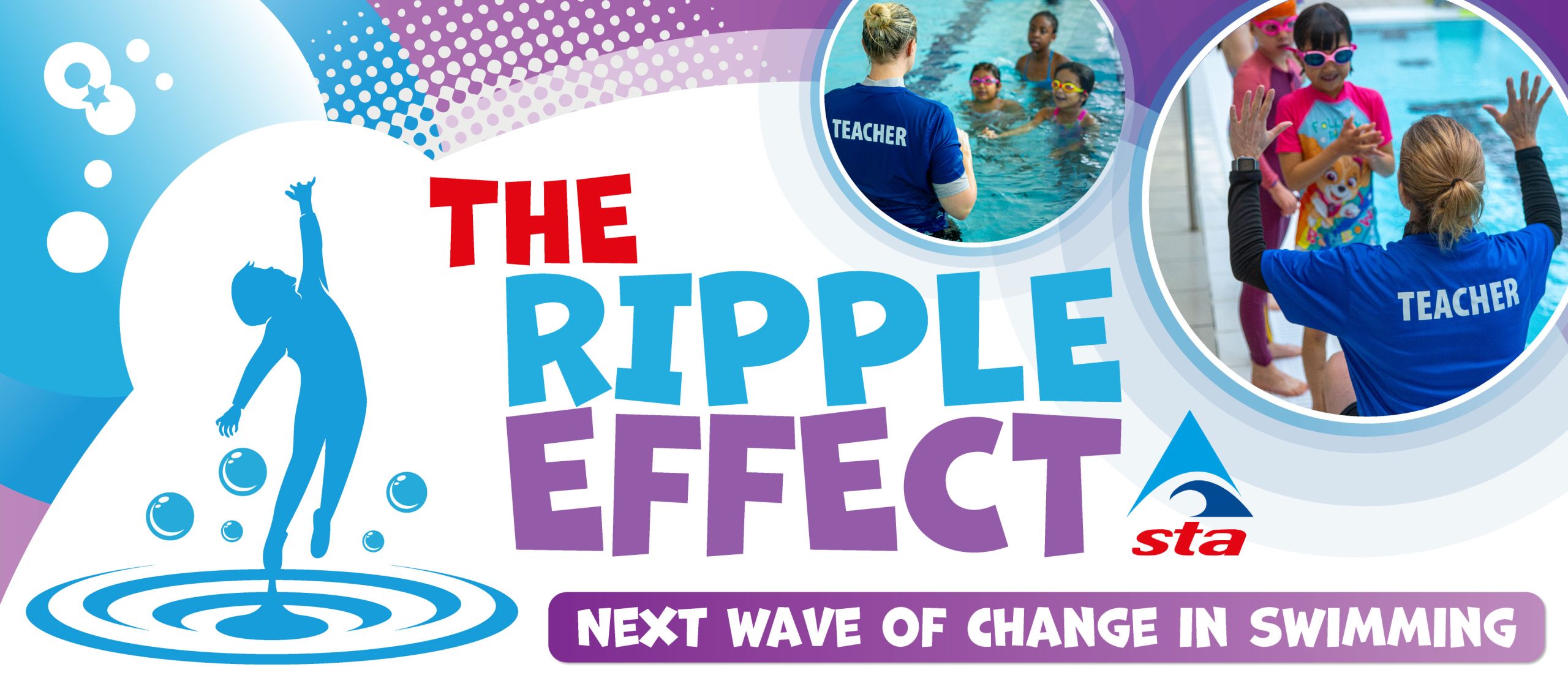
The initiative builds on the success of STAnd Up for Swimming, which supported the training of hundreds of new swimming teachers across the UK post-COVID, many of whom, 80%, went on to secure employment within the sector.
Encouragingly, the early response from across the sector has been positive, with organisations offering a range of support including access to training venues, tutor time and funded or subsidised course places to help widen access to training.
As traditional entry-level jobs in sectors such as retail and hospitality become less accessible, aquatics is also emerging as an alternative route into employment. Swimming teaching provides a route into meaningful, well-paid work, often above the National Minimum Wage, built around human interaction and responsibility.

Dave Candler, STA CEO, said: “Learning to swim is a fundamental life skill, and access to high quality lessons depends on having enough qualified teachers in the right places. What we are seeing through The Ripple Effect is a clear and consistent picture across the sector, where demand for lessons is strong but workforce capacity is under pressure.
“At the same time, there are individuals who want to train as swimming teachers and build a career in aquatics, but affordability can be a barrier. By working with partners across the sector, The Ripple Effect is focused on creating more accessible pathways into training and supporting the long-term development of the workforce,” confirmed Dave, who is marking ten years as STA’s Ceo this year.
ILSW, which is now in its eleventh year, provides an important opportunity to reinforce the value of swimming and water safety education, while also recognising the vital role that swimming teachers play in helping people of all ages develop these essential life skills.
To support the campaign, STA has also made a range of #LoveWaterSafely resources available, including a free Water Safety Activity Booklet for children and parents, developed in collaboration with the Royal National Lifeboat Institution (RNLI).
Those interested in supporting The Ripple Effect, or accessing resources for ILSW, can find out more at www.sta.co.uk
- Categories
- Association News