STA Launches Two New Practical Open Water Training Programmes in Support of World Drowning Prevention Day
Today, on World Drowning Prevention Day (25 July), STA has launched two new practical training programmes designed to help more people stay safe in, on and around open water.
The new instructor-led programmes have been developed to give children, adults, businesses and employees working near open water the knowledge, practical experience and confidence to better understand the risks associated with these environments, make informed decisions and respond safely should the unexpected happen.
The launch comes as the world marks World Drowning Prevention Day, a United Nations-recognised awareness day that highlights drowning as a preventable cause of death and encourages practical action to help save lives.
Recent weeks have also served as a timely reminder of why water safety education remains so important. During the recent spell of warm weather, at least 29 people are reported to have lost their lives in open water across the UK, reinforcing the importance of ensuring more people understand the risks and know how to respond safely in an emergency.
Recognising that both awareness and preparedness are essential, STA has introduced two complementary training programmes designed for different audiences but sharing the same objective – improving awareness, building confidence and encouraging safer decision-making around open water.
Helping people experience open water safely
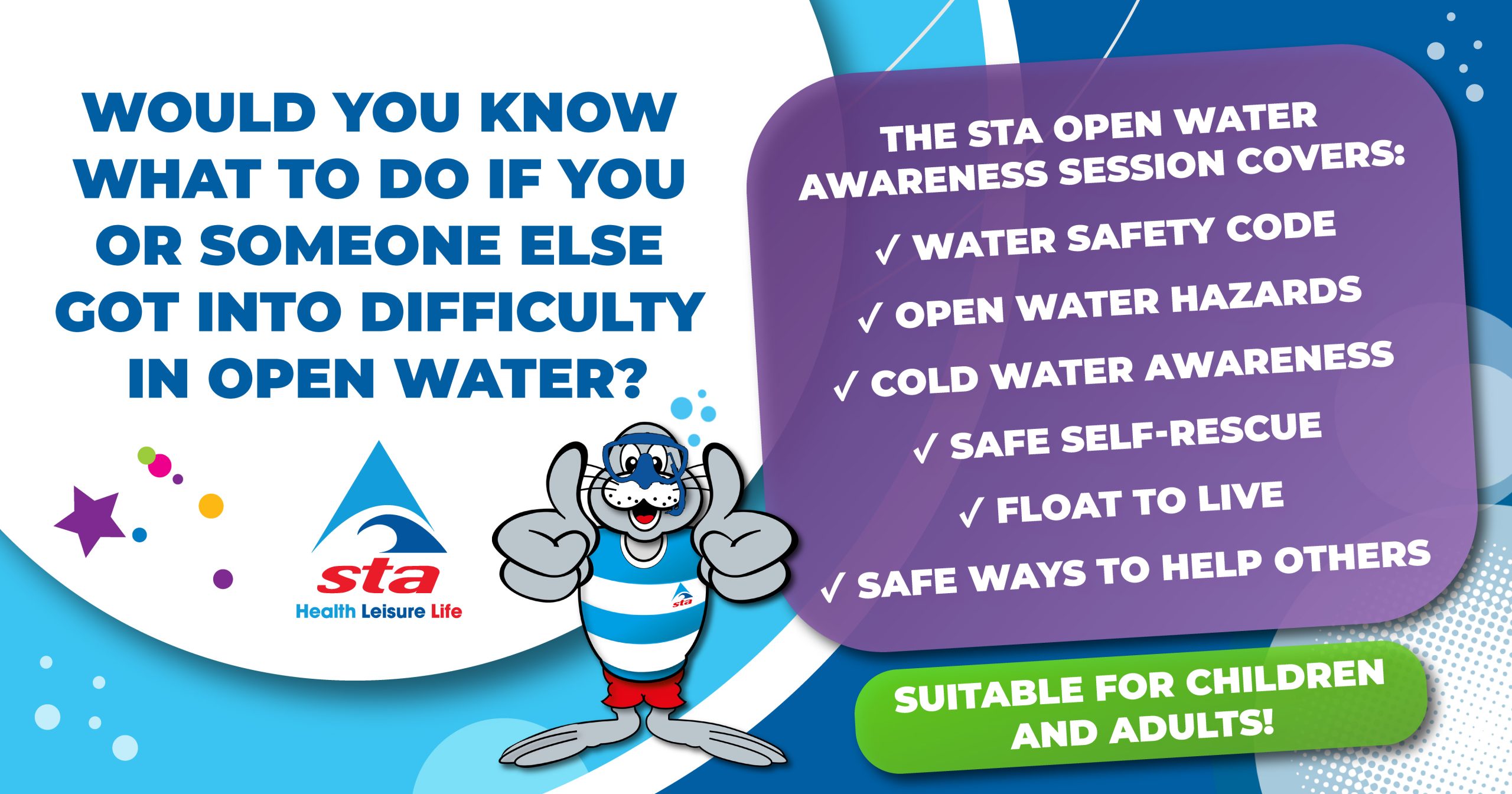
The STA Open Water Awareness session is designed for children, adults, families, schools, community groups and anyone who spends time in, on or around open water.
Unlike a swimming pool, open water presents constantly changing conditions, including cold water, currents, hidden hazards, uneven depths and changing weather. Rather than simply talking about these risks, the practical session allows participants to safely experience an open water environment under the guidance of a qualified STA instructor, helping them understand how their body may react if they unexpectedly enter the water.
Built around the Water Safety Code, participants also learn practical skills including recognising hazards, understanding the effects of cold water, Float to Live, safe self-rescue techniques and how to help someone in difficulty without entering the water themselves.
Suitable for both children and adults, the session is designed to build confidence through practical experience, giving participants the knowledge to make safer decisions whenever they are around open water.
Helping businesses prepare for the unexpected
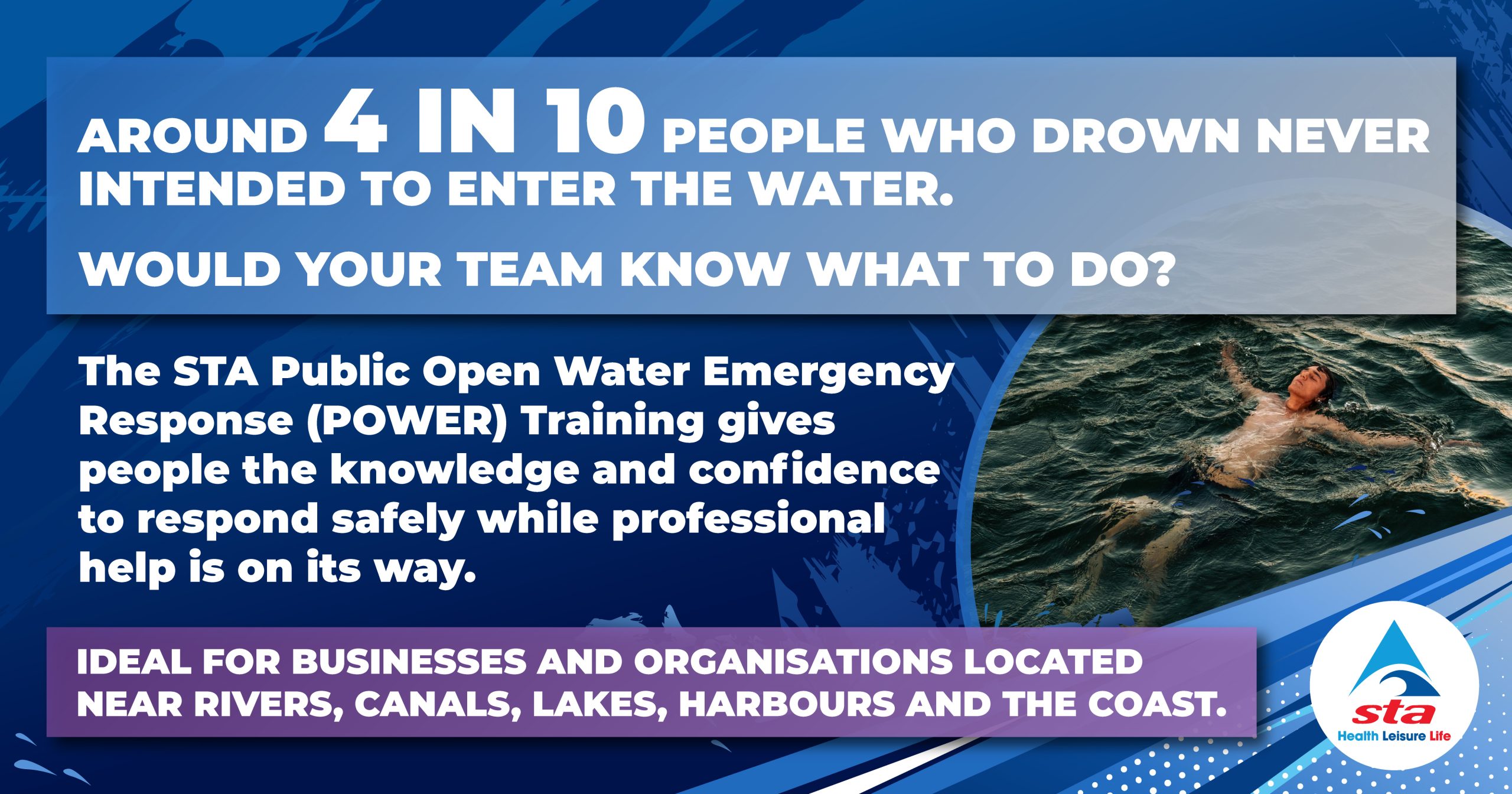
STA has also launched the Public Open Water Emergency Response (POWER) Course, developed for businesses and employees whose workplaces are located close to water.
Whether it’s a marina, visitor attraction, holiday park, waterside café, rowing or sailing club, local authority, construction company or any other workplace located near open water, staff could unexpectedly find themselves first on the scene if someone gets into difficulty.
It provides practical awareness training, helping participants recognise an emergency, raise the alarm, use publicly available rescue equipment safely and support someone in difficulty without entering the water themselves.
The aim is to give participants the knowledge and confidence to respond appropriately while emergency services are on their way, helping to create safer workplaces and communities around water.

Helen Done, Qualifications and Business Development Manager at STA, said: ” As an international charity working towards the objective of the preservation of human life through the teaching of swimming, lifesaving, survival skills, water safety education is at the heart of everything we do at STA – day in, day out. However, World Drowning Prevention Day is an important opportunity to highlight the importance of water safety education.
Whether you’re spending time with family or friends by the water, taking part in open water activities or working near a river, canal, lake or the coast, understanding the environment and knowing how to respond in an emergency can make all the difference
Jodie Davis, Aquatics Qualification Development Officer at STA explained: “Our new training programmes have been developed to give people practical experience, knowledge and confidence to enjoy water safely. By safely experiencing an open water environment, participants gain a much greater understanding of how different it is to a swimming pool and learn practical skills that could help keep themselves and others safe.
“We’ve also developed a course aimed at businesses located close to open water, but anyone can also attend. Whilst it’s not a formal lifesaving qualification, the course provides learners with the knowledge and confidence to respond safely if an incident occurs nearby while the emergency services are on their way. Ultimately, our aim is to help create safer communities by giving more people the skills to recognise danger, make informed decisions and respond appropriately in an emergency.”
The launch forms part of STA’s ongoing #LoveWaterSafely campaign, encouraging individuals, families, schools and businesses to develop the knowledge and practical skills needed to enjoy open water safely and respond appropriately in an emergency.
To further support World Drowning Prevention Day, STA has also created a suite of downloadable resources for members, available through STA Online. The materials include social media graphics, promotional assets and educational resources to help raise awareness of the Water Safety Code and #FloatToLive messages.
The new training programmes also support the National Water Safety Forum’s ongoing efforts to reduce accidental drownings and complement its Find Your Float campaign by encouraging more people to develop practical open water knowledge and experience alongside the life-saving Float to Live message. According to the National Water Safety Forum, accidental drowning results in around 8,000 years of life lost every year across the UK, highlighting the devastating impact drowning continues to have on individuals, families and communities.